

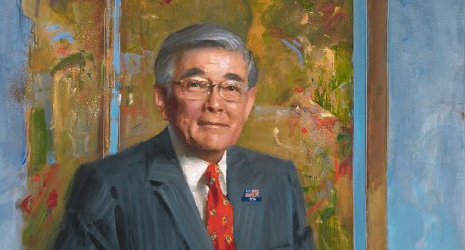
by Mike Matzinger
Norman Yoshio Mineta (November 12, 1931 – May 3, 2022) was much more than a trailblazing American politician—his formative years as a Boy Scout, particularly during the Japanese American internment, shaped relationships and values that would guide his entire life.
When Executive Order 9066 forced Japanese American families—including the Minetas—into internment camps in 1942, a ten-year-old Mineta boarded a train wearing his Cub Scout uniform and clutching his beloved baseball gear. Tragically, camp authorities confiscated his bat, deeming it potentially dangerous. Even at that young age, the violation of both personal property and trust left a lasting mark.
Once inside the Heart Mountain Relocation Center in Wyoming, Scout troops emerged as a critical source of normalcy and community for internees. Scouts like Mineta organized activities, camping trips, sports, and even a miniature jamboree—bringing a semblance of childhood and camaraderie to a place surrounded by barbed wire.
A pivotal moment occurred when Scouts from nearby Cody, Wyoming—initially hesitant to enter the camp—were invited in once someone emphasized, “We are Boy Scouts of America. We wear the same uniform, go after the same merit badges.” It was during this visit that Mineta met a youngist Scout named Alan Simpson; they pitched tents together and forged a friendship that lasted a lifetime.
This bond between Mineta and Simpson endured beyond the camp’s walls. As adults, they found themselves colleagues in Congress and allies in passing the Civil Liberties Act of 1988, which formally apologized for the unjust internment and granted reparations to survivors.
Mineta’s Scout roots were not just nostalgic—they were inspirational. The values of resilience, equal treatment, and principled friendship instilled during those difficult years echoed throughout his public service career. From becoming mayor of San José—the first Asian American to lead a major U.S. city—to serving over two decades in Congress, and later holding cabinet positions as Secretary of Commerce (under Clinton) and Secretary of Transportation (under Bush), Mineta’s leadership was rooted in empathy and inclusion.
https://americanhistory.si.edu/explore/stories/barracks-and-boy-scouts-norman-minetas-story